

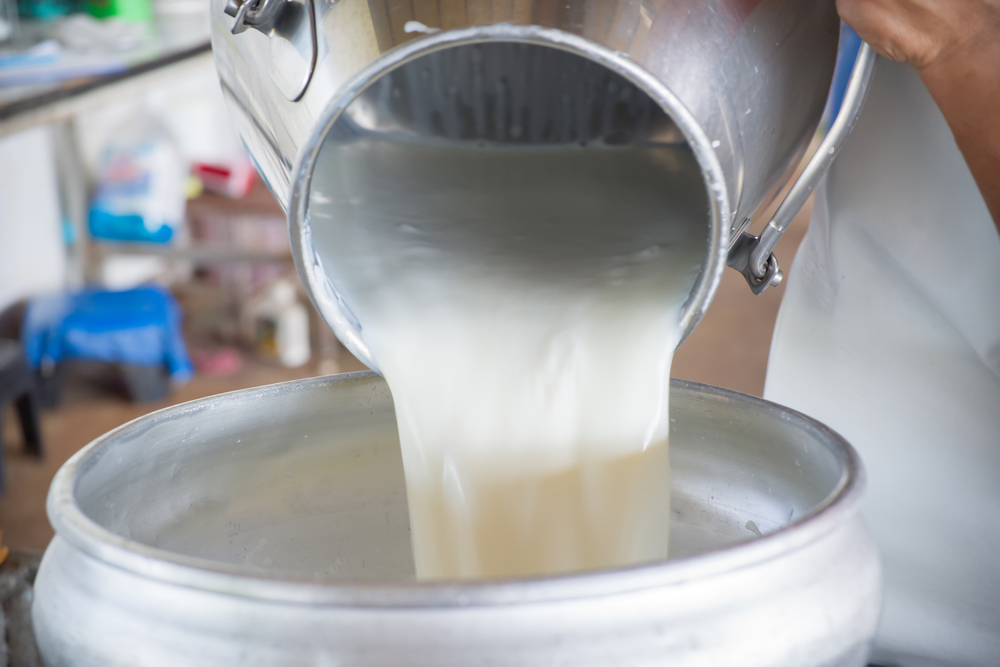
Drinking raw milk has become a hot trend in the health world, sparking passionate opinions on both sides. Some tout raw milk as nature’s perfect drink, filled with nutrients and beneficial bacteria that go missing once milk is pasteurized. Others warn that consuming it straight from the cow could be a recipe for disaster, bringing serious health risks along with it. So, what’s the real deal? Is raw milk a health-boosting superfood, or should we stick with the safer, pasteurized version?
What’s the Buzz Around Raw Milk?
For thousands of years, raw milk was the norm, with people drinking it straight from cows, goats, and sheep. It’s loaded with enzymes, vitamins, minerals, and beneficial bacteria, all of which may help with digestion, immunity, and even skin health. Raw milk advocates believe that the pasteurization process kills off some of the milk’s natural benefits, stripping it of the enzymes and “good” bacteria that aid our health. It’s not uncommon to hear raw milk fans say it helped their digestion, reduced allergies, or even improved skin issues.
Raw Milk Nutrition: What Are the Benefits?
Raw milk contains a rich nutrient profile, including:
- Calcium: Essential for bone health and muscle function.
- Vitamin A: Important for vision and immune function.
- Vitamin D: Helps the body absorb calcium, crucial for bone density.
- Healthy Fats: Raw milk is full-fat, and those natural fats can be more beneficial than overly processed low-fat options.
It’s also known to contain probiotics, which are fantastic for gut health. Probiotics can support digestion, improve immunity, and may even positively influence mood. Raw milk fans argue that these benefits are lessened or lost through pasteurization, which kills bacteria (the good and the bad) to increase milk’s shelf life and reduce the risk of contamination.
What Are the Risks?
Here’s the kicker—drinking raw milk does come with risks. Pasteurization was introduced for a reason. When milk isn’t heated to kill potentially harmful bacteria, you run the risk of consuming pathogens like Salmonella, E. coli, and Listeria. These aren’t just random names—they’re serious bacteria that can lead to severe foodborne illnesses, particularly in kids, the elderly, pregnant women, and those with weakened immune systems. The CDC and FDA both recommend avoiding raw milk due to these risks.

While it’s true that raw milk enthusiasts may argue that cows raised on organic, clean farms have fewer pathogens, it’s impossible to eliminate all risks entirely. Contamination can happen at any point from the milking to bottling process, and bacteria doesn’t play favorites.
Is Raw Milk Actually Healthier?
While raw milk may contain more enzymes and potentially beneficial bacteria, the health claims around it aren’t yet fully backed by scientific research. Some studies suggest raw milk may aid in preventing allergies and asthma in children, but much of the evidence is anecdotal. For every person who swears by raw milk’s benefits, there’s another warning about its dangers. The argument here is largely about balancing potential benefits with known risks.
Pasteurization: The Safer Alternative
Pasteurization was developed to make milk safer without drastically changing its nutritional profile. While some vitamins and enzymes are reduced, the key nutrients—calcium, protein, and essential fats—remain. For most people, pasteurized milk offers a safer, reliable option without the fear of bacterial contamination.
So, Should You Drink Raw Milk?
If you’re considering raw milk, it’s important to be aware of both sides. Ask yourself: are the potential benefits worth the risk? If you’re generally healthy, you may find that adding raw milk to your diet is an experiment you’re willing to try. However, for those who are immunocompromised, pregnant, or have young children, the risks may outweigh the rewards.
For those who want to try raw milk, make sure to source it from a reputable, clean, and tested farm. Raw milk regulations vary, so check local laws and look for farms that follow strict hygiene standards. Even then, remember that raw milk is still unpasteurized and carries inherent risks.
Final Thoughts
In the end, drinking raw milk is a personal choice that should be made with eyes wide open to both the potential benefits and the risks involved. For most people, pasteurized milk provides a safe, nutritious option without the worry of harmful bacteria. But if you’re drawn to raw milk’s benefits and willing to accept the risks, then it might be worth a try—just know what you’re getting into.
Raw milk might seem like a throwback to simpler times, but today, we have more information to weigh our choices. Health is about making informed decisions, and whether or not you pour that raw glass, make sure it’s the right choice for you.


